


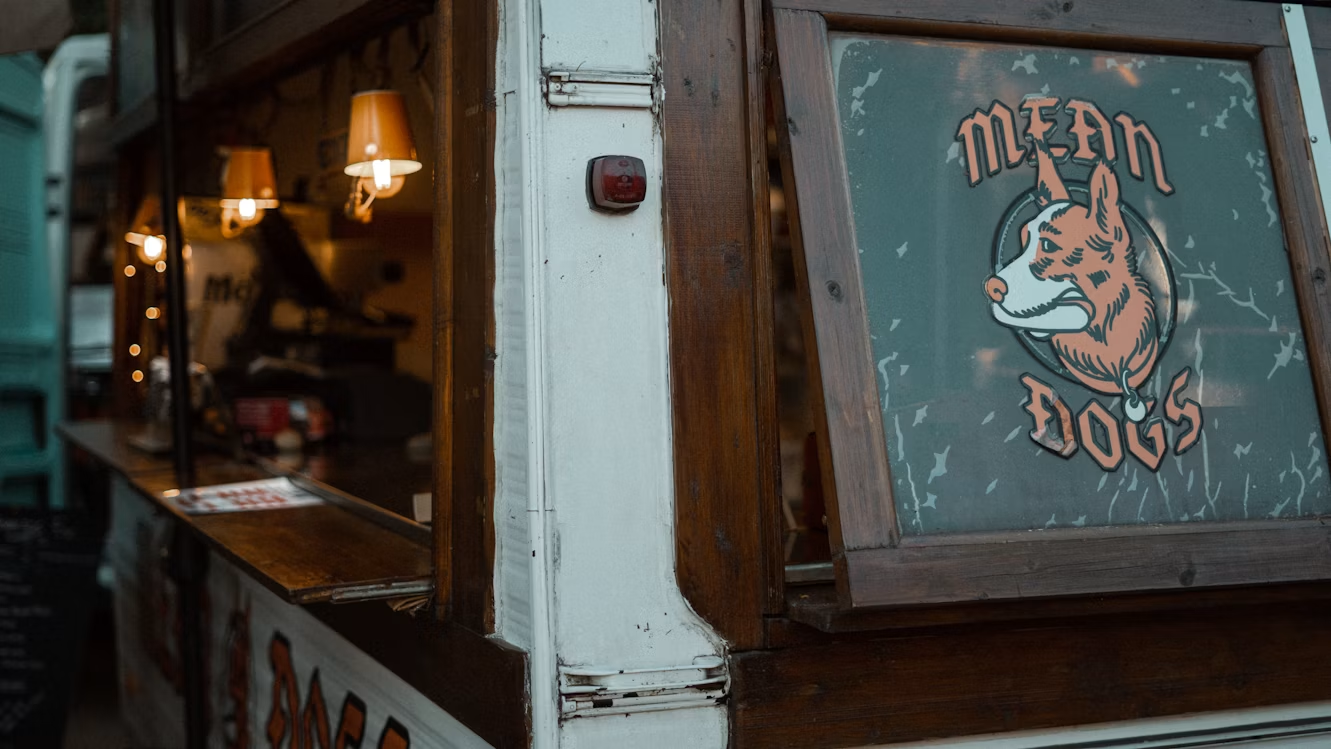
A mobile beer business, whether it’s a pop-up bar, tap trailer, or fully outfitted beer truck, offers a flexible way to bring curated drinking experiences directly to customers. It combines hospitality, logistics, branding, and local market awareness into a compact, mobile format. While the concept can start small, turning it into a reliable, scalable operation requires thoughtful planning and disciplined execution.
Key Takeaways
- Mobile beer businesses thrive on flexibility, branding, and event selection
- Licensing and compliance vary widely and must be addressed early
- Equipment quality directly impacts service speed and product integrity
- Strong supplier relationships ensure consistency and variety
- Customer experience, not just beer quality, drives repeat bookings
Defining Your Mobile Concept
Before purchasing equipment or booking events, clarify your concept. Mobile beer operations vary widely: some specialize in craft beer tastings, others focus on weddings with customized menus, while some lean into high-volume festival service. Your concept should define your pricing model, branding, and operational scale.
Mobility allows for creative differentiation. A vintage trailer serving small-batch IPAs creates a different atmosphere than a sleek truck pouring local lagers at corporate events. The more distinct your identity, the easier it becomes to stand out in a competitive event market.
Licensing and Legal Requirements
Alcohol service is one of the most regulated areas of small business. Requirements differ by state and even by city, but most operators will need:
- A temporary or mobile alcohol permit
- Liability insurance (often required by event organizers)
- Compliance with local health and safety codes
- Proper server certifications
Research local laws early and build relationships with regulators when possible. Delays or missteps in licensing can derail event bookings and damage credibility.
Equipment and Setup Essentials
Your equipment setup defines your efficiency, product quality, and customer experience. A well-designed system minimizes downtime and keeps service flowing during peak demand.
| Component | Purpose | Notes |
| Keg System | Stores and dispenses beer | Choose capacity based on event size |
| CO₂ System | Maintains pressure for proper pouring | Ensure backup tanks |
| Refrigeration | Keeps beer at optimal temperature | Critical for quality and consistency |
| Tap Lines & Faucets | Controls flow and presentation | Regular cleaning required |
| Power Source | Supports refrigeration and lighting | Generator or external hookup |
Investing in reliable equipment reduces maintenance issues and ensures consistent service across events.
Sourcing Beer and Building Partnerships
Your beer selection is both your product and your brand. Many successful operators collaborate with local breweries to offer rotating taps or exclusive selections. This approach not only differentiates your menu but also builds cross-promotional opportunities.
Consider balancing variety with operational simplicity. Offering too many options can slow service, while a focused, curated menu can improve efficiency and reinforce your identity.
Choosing the Right Events and Locations
Not all events are equally profitable or aligned with your brand. Strategic selection is key to building momentum.
- Weddings offer higher margins but require polished presentation
- Festivals provide volume but demand speed and durability
- Private parties allow customization and premium pricing
- Local markets build visibility and community connections
Evaluate each opportunity based on logistics, audience fit, and revenue potential rather than simply filling your calendar.
Creating Memorable Customer Experiences
Mobility allows for immersive, tailored experiences that traditional bars cannot replicate. Themed menus, seasonal offerings, and custom branding can elevate your service beyond simple beer sales.
Examples include:
- A summer citrus beer lineup for outdoor weddings
- Collaboration taps featuring local breweries
- Branded glassware or signage for corporate events
Consistency in service—fast pours, friendly interaction, and clean presentation—builds trust and repeat business.
Operational Checklist for Launch
Launching successfully requires aligning logistics, compliance, and branding before your first event.
Startup Checklist
- Secure all required permits and insurance
- Purchase and test full equipment setup
- Establish supplier relationships with breweries
- Develop pricing structure and packages
- Build a booking and scheduling system
- Create branding, signage, and menu design
- Conduct trial runs before live events
Scaling From Passion Project to Business
Many mobile beer ventures begin as passion projects but quickly evolve into complex operations. Managing cash flow between events, setting sustainable pricing, targeting the right audience, and planning for long-term growth all require more than day-to-day execution.
Building a stronger foundation in financial planning, marketing strategy, and operational management becomes essential as demand increases. For entrepreneurs who want to strengthen these skills without stepping away from their business, online business degree programs provide a flexible way to learn while actively running or launching a venture. If you’re looking to build that kind of foundation, you may want to check this out to explore programs that fit around your schedule while helping you make more informed business decisions.
Pricing Strategy and Profitability
Pricing should reflect not only your costs but also your positioning. Many operators use tiered packages based on event size, duration, and beer selection. Factor in transportation, setup time, staffing, and product costs when building your pricing model.
Avoid underpricing to win early bookings, which often leads to unsustainable operations. Instead, position your service around value: experience, quality, and reliability.
FAQ
How Much Does It Cost to Start a Mobile Beer Business?
Startup costs typically range from $10,000 to $125,000 depending on equipment quality, vehicle type, and licensing requirements. Lower-cost entry is possible with smaller setups, but cutting corners on core systems can limit growth.
Do I Need a Special License to Serve Alcohol at Events?
Yes. Most regions require temporary or mobile alcohol permits, along with liability insurance. Requirements vary, so local research is essential before accepting bookings.
What Types of Events Generate the Most Profit?
Weddings and private corporate events tend to offer the highest margins due to premium pricing and predictable demand. Festivals can be profitable but often involve higher competition and operational stress.
How Do I Keep Beer Fresh and Consistent?
Proper refrigeration, clean tap lines, and consistent CO₂ pressure are critical. Regular maintenance ensures quality and prevents waste or customer dissatisfaction.
Can I Operate Solo or Do I Need Staff?
Small events can often be handled solo, but larger bookings require at least one additional staff member to maintain service speed and customer experience.
How Do I Get My First Bookings?
Start with local markets, small events, and partnerships with event planners or breweries. Social media presence and word-of-mouth referrals are key early growth drivers.
Conclusion
A mobile beer business blends creativity with operational discipline, offering strong potential for those willing to approach it strategically. Success depends on more than good beer, it requires thoughtful planning, consistent execution, and a clear brand identity. By focusing on experience, efficiency, and long-term growth, operators can turn a flexible concept into a dependable and profitable venture.
Leave a Reply