


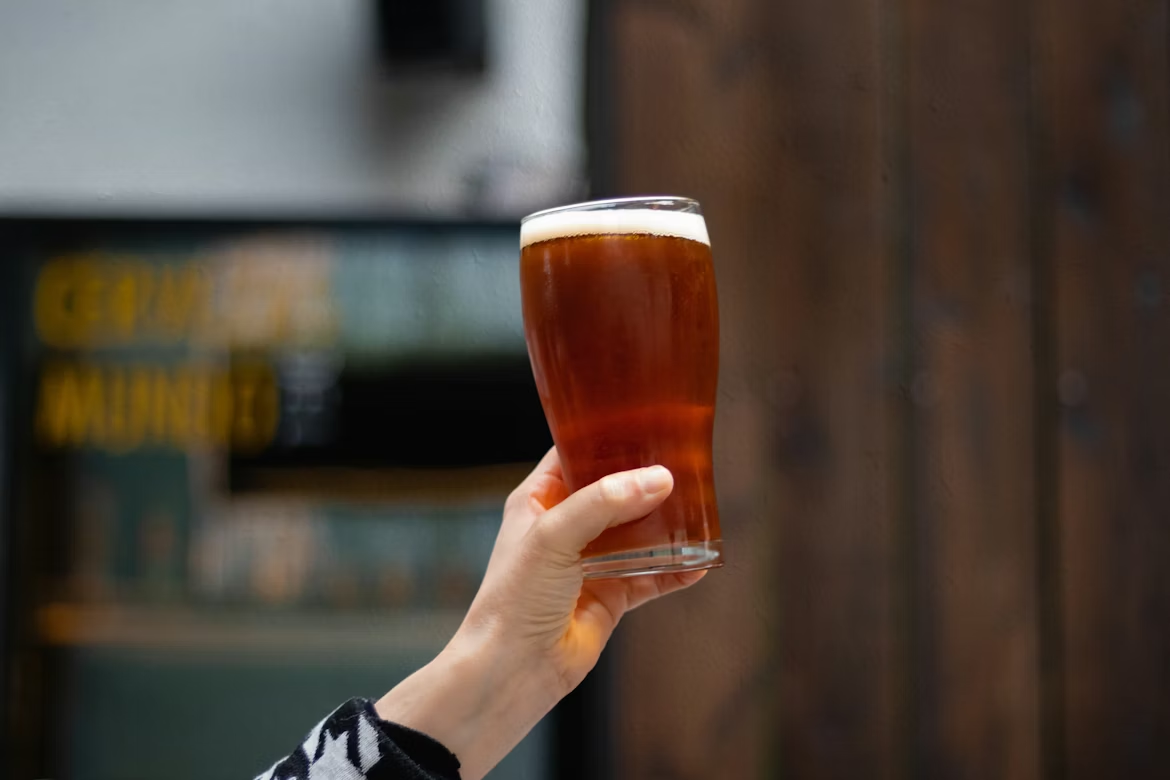
Home brewing is the practice of making beer at home using controlled fermentation, precise measurements, and repeatable processes. For beer enthusiasts, creating a small-scale home brewing space is about more than convenience—it’s about supporting experimentation, maintaining quality, and building a workflow that produces consistent results.
Whether you’re brewing your first pale ale or refining a barrel-aged stout, your setup directly affects flavor, safety, and efficiency.
A Quick Snapshot Before You Start
If you want a home brewing space that actually supports good beer:
- Choose a location with stable temperatures, good ventilation, and access to water.
- Invest in core equipment that prioritizes sanitation and temperature control.
- Organize your space to separate “clean” and “dirty” tasks.
- Monitor fermentation conditions carefully.
- Upgrade gradually based on brewing frequency and batch size.
Consistency is built into the room long before it shows up in the glass.
Choosing the Right Location
The space you brew in becomes part of your process. A cramped, poorly ventilated corner will eventually frustrate you. A well-thought-out brewing nook will encourage repeat batches and cleaner execution.
Common location options:
- Garage – Good ventilation and space, but watch temperature swings.
- Basement – More stable temperatures; check for humidity and drainage.
- Spare room – Cleaner environment, but requires strict spill control.
- Outdoor patio (weather-permitting) – Great airflow; limited year-round use.
What matters most:
- Access to running water.
- Floor surface that tolerates spills.
- Electrical outlets for pumps or temperature-control systems.
- Adequate airflow during boiling.
Avoid carpeted rooms. Avoid tight spaces without ventilation. Boiling wort produces steam and strong aromas that need somewhere to go.
Essential Equipment for Consistency
You don’t need a commercial brewhouse, but you do need reliable tools. Quality control begins with dependable equipment.
Core Brewing Equipment
- Brew kettle (stainless steel preferred)
- Heat source (propane burner or electric system)
- Fermenter with airlock
- Hydrometer or refractometer
- Thermometer (calibrated)
- Sanitizer (no-rinse types are common)
- Auto-siphon and tubing
- Bottling bucket or kegging setup
Temperature control is the single biggest leap in beer quality for most home brewers. A fermentation fridge or temperature-controlled chamber allows you to keep yeast in its optimal range—critical for clean flavor profiles.
Organizing for Workflow Efficiency
Think in stages: mash → boil → cool → ferment → package.
A practical setup separates tasks to reduce contamination risk.
| Brewing Stage | Primary Tools Needed | Workflow Tip |
| Mash & Boil | Kettle, burner, thermometer | Keep measuring tools within arm’s reach. |
| Cooling | Wort chiller, hoses | Position near a water source to reduce hose clutter. |
| Fermentation | Fermenter, temp control | Store away from direct light. |
| Packaging | Bottles/kegs, sanitizer | Sanitize in batches to save time. |
Even in a small space, visual zoning helps. Keep sanitizing supplies stored separately from raw ingredients. Clean gear should never sit where you mill grain or handle hops.
Environmental Control and Safety
Environmental consistency is the quiet hero of great beer.
Key Factors
- Temperature: Most ale yeasts perform best between 60–72°F. Lagers require colder conditions.
- Humidity: High moisture can encourage mold; use a dehumidifier if needed.
- Ventilation: Essential during boiling to prevent moisture damage.
- Lighting: Avoid prolonged light exposure on fermenting beer to prevent off-flavors. However, it’s also important to provide lighting that allows for deep cleaning.
Safety also matters. Use heat-resistant gloves. Secure propane tanks properly. Never leave boiling wort unattended.
Protecting the Equipment That Protects Your Beer
Home brewing often relies on refrigerators, chest freezers, or temperature-control systems to manage fermentation and storage. These appliances are critical to maintaining stable yeast performance and preventing spoilage. When they fail, a batch can be lost—and so can weeks of effort.
Reliable appliance performance supports flavor consistency and workflow reliability. Unexpected breakdowns interrupt fermentation schedules and can lead to costly replacements. For dedicated brewers who depend on these systems, home coverage plans for major household appliances can offer added peace of mind. If you’re evaluating ways to safeguard the tools that keep your beer stable, you may be interested in this.
Protecting your fermentation infrastructure is just as important as protecting your recipe.
How to Set Up a Beginner-Friendly Brewing Space
If you’re new, don’t overcomplicate the process. Follow this checklist:
- Select a ventilated space with access to water and power.
- Buy a starter brewing kit with fermentation equipment included.
- Install a simple temperature monitor near your fermenter.
- Designate storage strictly for sanitized gear.
- Brew a proven recipe before experimenting.
- Log every batch (ingredients, temps, fermentation time).
- Clean everything immediately after use.
Consistency starts with habits, not gadgets.
For Experienced Hobbyists: Smart Upgrades
Once you’re brewing regularly, efficiency becomes the next frontier.
Consider:
- Upgrading to an all-in-one electric brewing system.
- Installing a dedicated fermentation chamber with dual-stage temperature control.
- Moving from bottling to kegging.
- Adding a small workbench for grain prep and equipment storage.
- Labeling storage bins for yeast strains, hops, and specialty malts.
These changes reduce friction. Less friction means more frequent brewing—and more opportunity to refine technique.
A Useful Resource for Skill Development
If you want to deepen your brewing knowledge, the American Homebrewers Association offers educational materials, style guidelines, and community support for hobbyists at all levels.
Exploring structured style standards and brewing science can help you experiment more intentionally and troubleshoot with confidence.
Frequently Asked Questions
How much space do I really need?
You can brew 5-gallon batches in a compact corner of a garage or basement, as long as you have safe ventilation and storage.
Do I need temperature control right away?
Not necessarily, but your beer quality will improve significantly once you control fermentation temperatures.
Is bottling harder than kegging?
Bottling requires more manual labor and cleaning. Kegging is more efficient long term but requires upfront investment.
How do I prevent contamination?
Clean first. Sanitize second. Never reverse that order.
A small-scale home brewing space is an investment in repeatable quality. With the right environment, every batch becomes an opportunity to improve.
Leave a Reply